Ecology
Ideas and practices that build connections
Ecosystems are incredibly complex and dynamic. We are only beginning to understand the layers of relationship that have animated the land we live on, and how those relationships have adapted to the rapid environmental changes of the Anthropocene. Restoration of land should promote as much biodiversity as possible, but must balance realistic goals that can be sustained over time, minimizing undue disturbance along the way. By immersing ourselves in this process, we restore not only the land, but also our reciprocal place within the web of life. It’s time to get our hands in the dirt.
The Edgelands project will demonstrate low-impact restoration methods and will be evaluating the success of these methods in the Edgelands Blog.
The Edgelands site is located on 5 acres in Eagle Creek, OR, right where the mixed forests, grasslands and oak savanna of the Willamette Valley meet the densely wooded Cascade Foothills. We are stewarding on unceded Clackamas/Chinook lands.
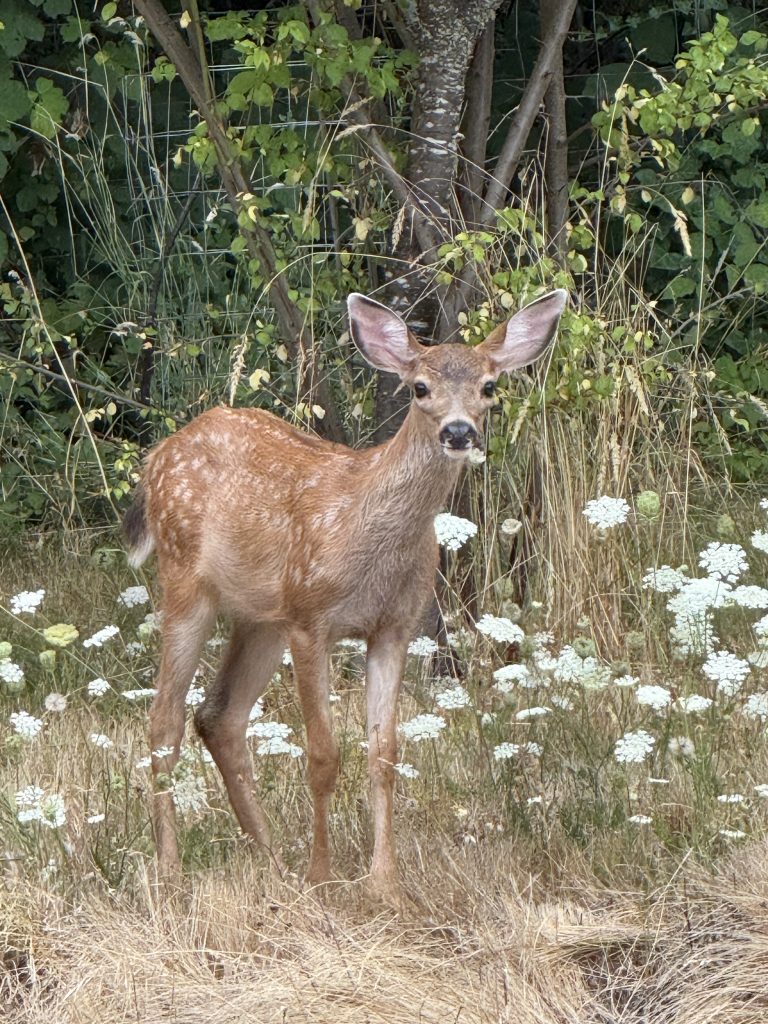
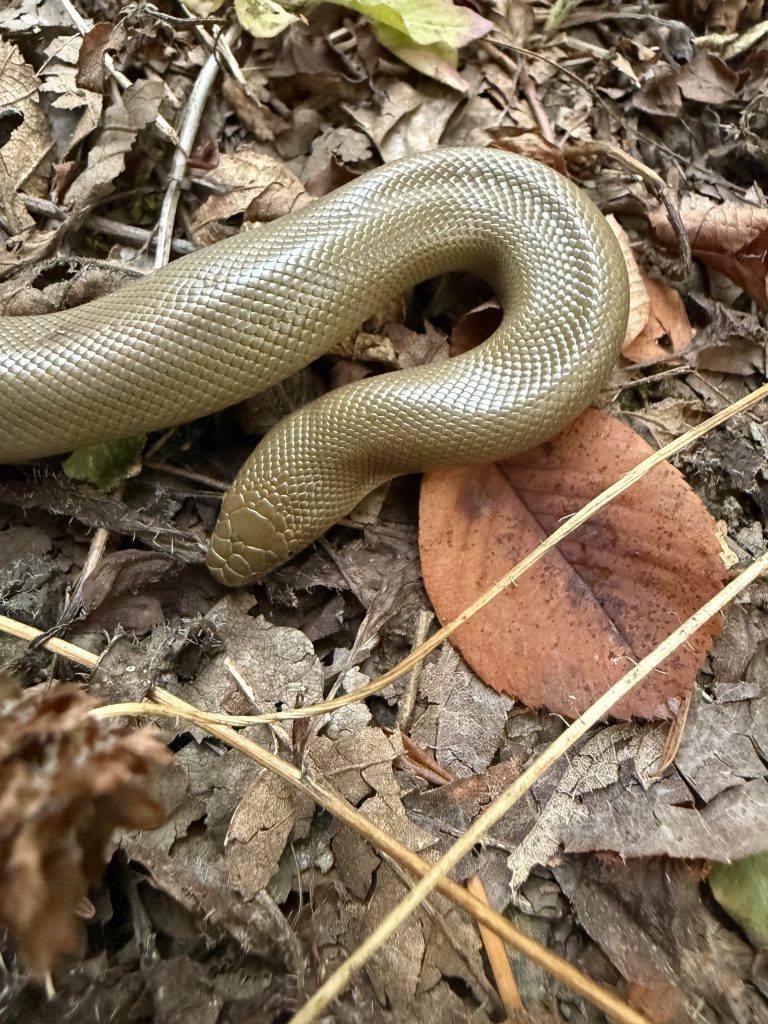
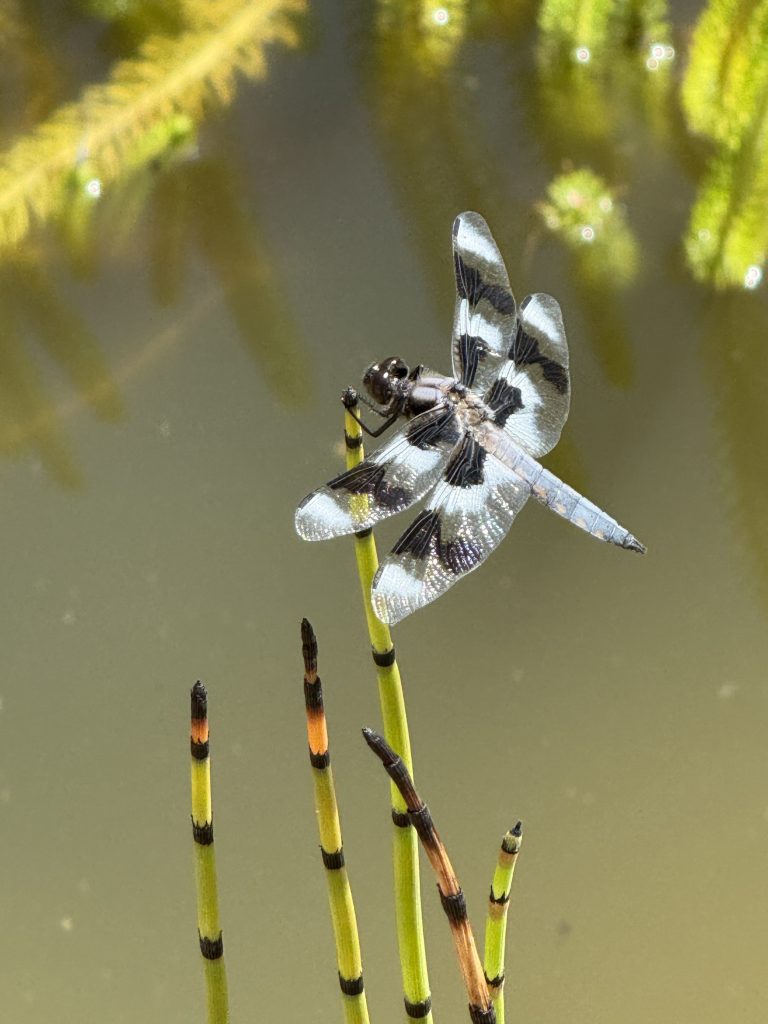
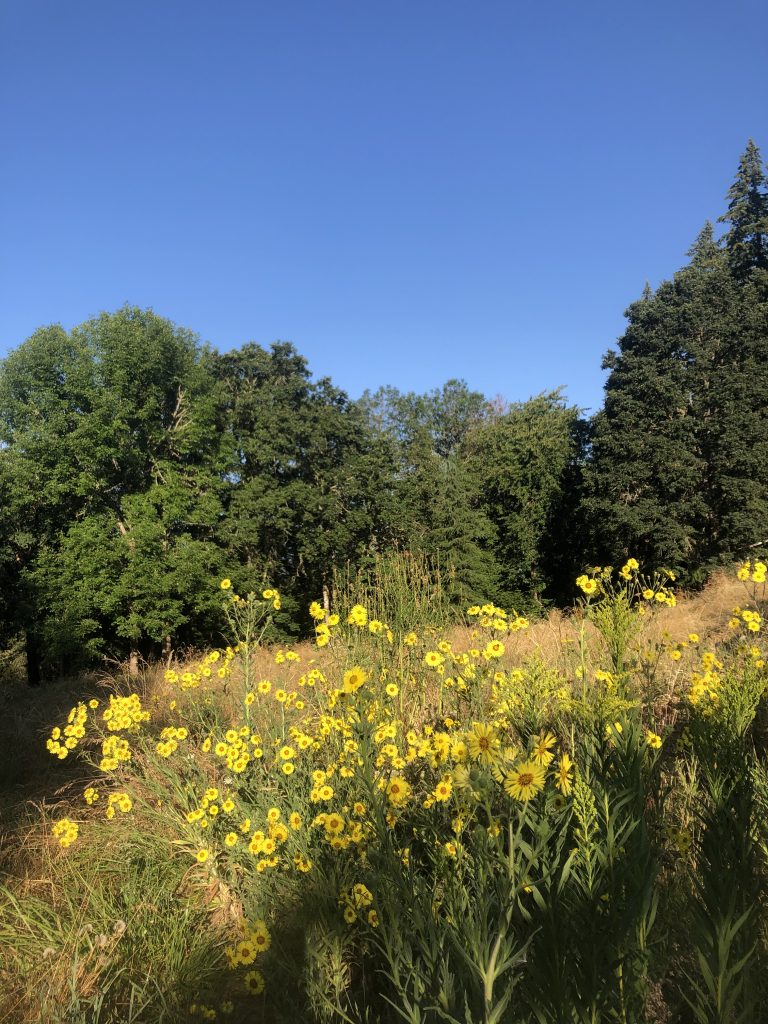
We have inherited a diverse landscape that includes mature Douglas Fir forest, mixed deciduous woodlands of Oregon White Oak, Oregon Ash, Western Crabapple and Serviceberry, and large open grasslands studded with mature oak. Following an intensive initial inventory of species present on the site, we found evidence of extensive land grading, pasture seeding and grazing, widespread planting of non-native trees, and large numbers of exotic species that had proliferated over the years. But looking past those symptoms of land disturbance, we noted natural systems reasserting themselves. At the ground level, non-native grasses and forbs dominate, but remnant prairie and woodland species have already begun to reappear and spread after mowing cessation and management of aggressive non-native plants. Carpets of Snow Queen frost the woods with pastel violet in February, native Sedges and Rushes adorn the prairies in April, and stands of native Self-Heal mingle with Nootka and Cluster Roses in June.
The Edgelands project promotes the use of low-impact restoration methods, taking a slower, hands-on approach that targets specific areas for planting, avoids heavy soil disturbance and (of course) uses no herbicide. Each fall and winter, we’ll be planting increasing numbers of locally-sourced native species as measured removal of aggressive non-native plants progresses.
We seek to demonstrate that in the long term these gentler practices will yield a greater percentage of native vs. non-native plants, with much less cost, effort and disturbance to other non-plant organisms. Also, by being directly involved with the land through the physical and intellectual work of restoration, we become attuned to seasonal cycles and we learn the precise ways our efforts can aid natural systems that are already working to restore balance to our local ecosystems.
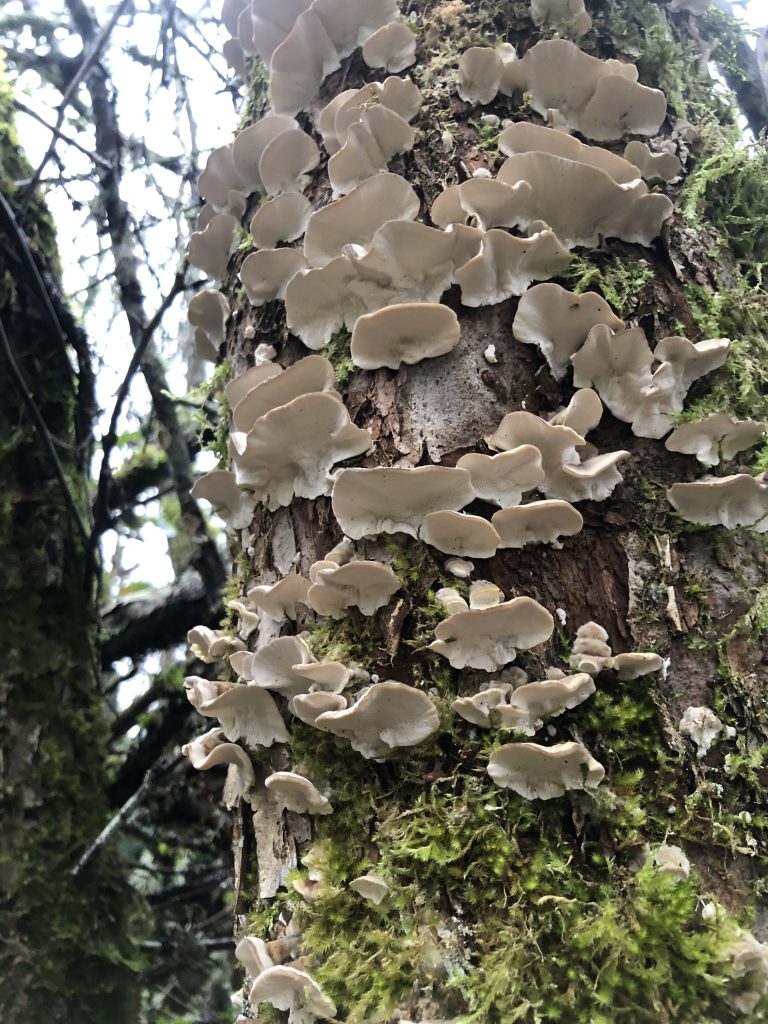
We must recognize that it isn’t possible to “turn back the clock” to an imagined pristine pre-settler environment. Weeds are here to stay. Insects have a long road to recovery. But step by step, the balance can be turned back to a larger percentage of dominantly-native plants, and these plants in turn will support an increasingly diverse array of native microbes, animals and fungi. We look forward to sharing our successes and failures and hope to provide a road map for others to build a stronger connection to their own lands and communities.
Eventually, Greg will be available for on-site consultation on restoration projects large and small, and for educational events at Edgelands. To enquire, send a note to edgelandsnursery@gmail.com